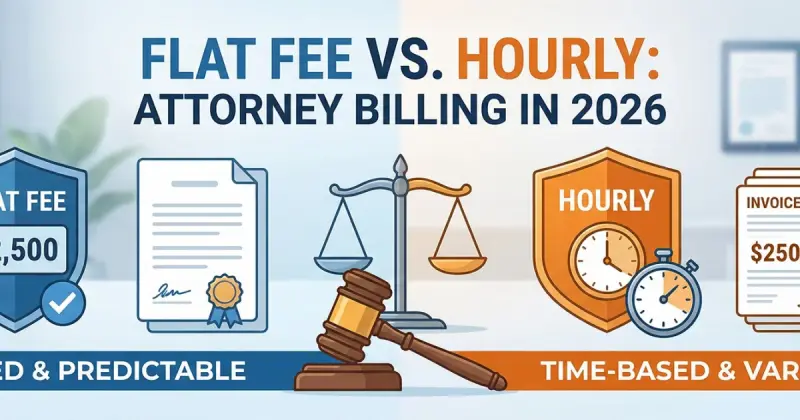
Why it works: It uses high-volume search terms like "Attorney Billing" and "Flat Fee vs. Hourly" right at the beginning.
When you need legal help, one of the first things you might worry about is the cost. How do lawyers actually charge for their time? In 2026, the way attorneys bill their clients has changed a bit thanks to technology and new rules, but the two main ways—Flat Fee and Hourly Billing—are still the foundation of most legal agreements.
Whether you are looking for an attorney on retainer or just need a one-time contract, understanding these costs is the first step to being a smart client.
What is Hourly Billing?
Hourly billing is the most traditional way lawyers get paid. It’s like a taxi meter: the longer the lawyer works, the more you pay. In 2026, many high-level professionals, such as attorney moin choudhury, may use hourly billing for complex cases because they don't know exactly how many hours a trial or investigation will take.
-
The Pro: You only pay for the work that is actually done. If your case is settled quickly, your bill will be smaller.
-
The Con: It can be unpredictable. You might start with a small bill, but if the other side fights back, the hours can add up fast.
What is a Flat Fee?
A flat fee is a fixed price for a specific job. For example, if you need a lawyer to help you with an attorney quit claim deed (a document used to transfer property), they might charge you a flat $500. It doesn't matter if it takes them one hour or five hours; the price stays the same.
-
The Pro: You know exactly what you are paying from day one. There are no surprises.
-
The Con: If the task turns out to be very easy and takes only 10 minutes, you still have to pay the full flat fee.
Understanding the "Retainer"
Most people have heard the phrase "having a lawyer on retainer," but what does it actually mean?
-
Attorney Retainer Fee: This is an upfront payment you give to the lawyer before they start working. Think of it like a "security deposit" for your case.
-
Attorney on Retainer: When you have an attorney on retainer, it means you have paid that deposit, and they have agreed to be available whenever you need them.
In 2026, many people use an "Evergreen Retainer." This means when your deposit gets low, you "top it up" to keep the lawyer working.
Extra Costs to Watch Out For
Even if you agree on a fee, there are other costs that can show up on your bill:
-
Attorney Shield Cost: Some firms offer a subscription service called "Attorney Shield." For a monthly fee, you get 24/7 access to legal advice. This is great for people who want to avoid high hourly rates for simple questions.
-
Document Review: Sometimes, a firm will hire people for attorney document review jobs to look through thousands of emails or papers for your case. Even though these aren't your main lawyer, you might still see their time on your bill.
-
Administrative Fees: This covers things like filing papers with the court or mailing documents.
The Rules of the Game: Privacy and Ethics
In 2026, trust is more important than ever. Two things help keep your relationship with your lawyer safe:
1. Attorney-Client Privilege
Everything you tell your lawyer is a secret. However, there are attorney client privilege exceptions. For example, if you tell your lawyer you are planning to commit a serious crime in the future, they might have a legal duty to report it. If you live on the West Coast, you should specifically ask about attorney client privilege california rules, as they can be very strict about what can and cannot be shared.
2. The ARDC (The "Referees")
Who watches the lawyers? Organizations like the attorney registration and disciplinary commission (ARDC) make sure lawyers are acting honestly. If a lawyer overcharges you or takes your money without doing the work, you can report them to the commission. You can also check attorney reviews by clients online to see if other people had a good experience with that lawyer's billing style.
How to Choose the Right Billing Model
To decide which is better for you, ask yourself these three questions:
-
Is my task simple? If you just need a single document like a will or a 907 attorney referral, go for a Flat Fee.
-
Is my case a fight? If you are going to court and don't know when it will end, Hourly Billing is usually the only option.
-
Do I have the money upfront? Remember that an attorney retainer fee can be several thousand dollars. Make sure you have a budget before you sign.
Summary Table: Flat Fee vs. Hourly
| Feature |
Flat Fee |
Hourly Billing |
| Predictability |
High (Price never changes) |
Low (Price depends on time) |
| Best For |
Simple tasks (like a deed) |
Complex battles (like trials) |
| Upfront Cost |
Usually paid in full |
Requires a Retainer |
| Trust Factor |
Check attorney reviews by clients |
Check the disciplinary commission |
Final Thoughts
Billing shouldn't be a mystery. A top-rated lawyer will be happy to sit down and explain their fees to you. Whether you decide to pay a flat rate for a specific job or keep an attorney on retainer for ongoing help, always get your agreement in writing.
In the world of 2026, being an informed client is the best way to ensure you get the justice you deserve without breaking the bank.