





10 min read
The 'Gray Divorce' Boom in Oklahoma: Protecting Your Retirement Assets After 50
Facing a "Gray Divorce" in Oklahoma? Learn how to protect your retirement assets after 50 and navigate the legal challenges of late-lif...
The Jan 30, 2026 Epstein release sparked a legal war. Did the DOJ violate the Privacy Act of 1974 by releasing names of innocent people? We analyze the conflict between privacy and transparency laws.
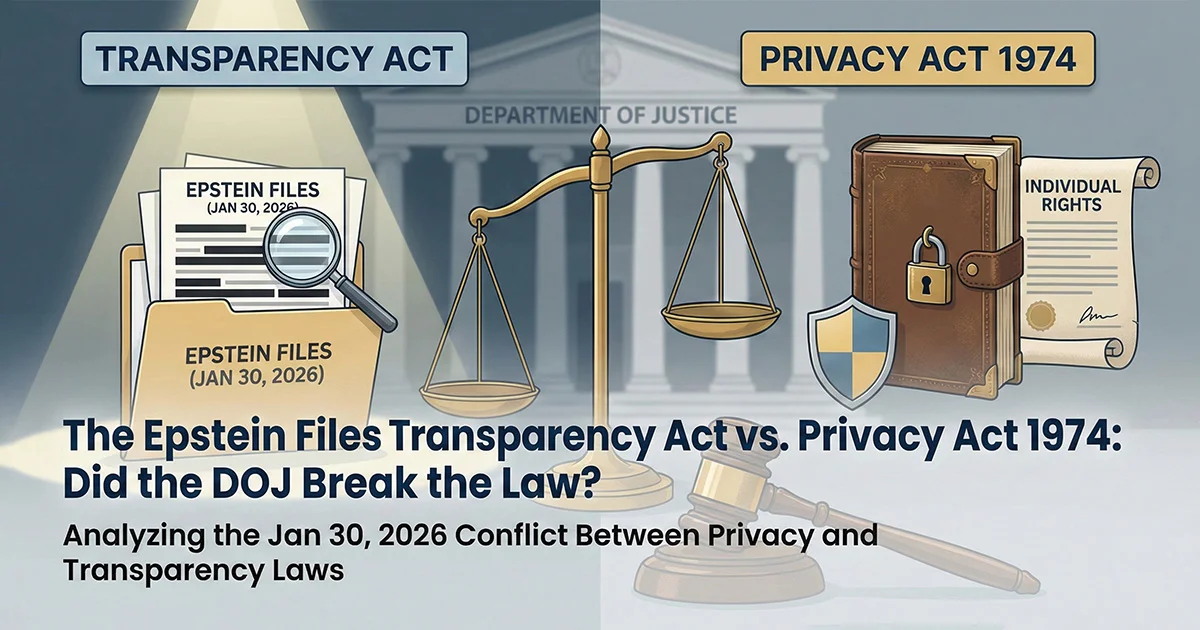
Imagine your private emails, calendar invites, and vacation photos were suddenly posted on a government website for the whole world to see. You haven't committed a crime, but the government released them anyway.
That is exactly what happened on January 30, 2026.
When the US Department of Justice (DOJ) released 3.5 million pages of documents related to the Jeffrey Epstein investigation, it wasn't just a news story; it was a legal earthquake. On one side, we have a new law demanding the truth. On the other side, we have an old law promising privacy.
This blog post breaks down the massive legal collision between the Epstein Files Transparency Act (signed in Nov 2025) and the Privacy Act of 1974. We will explore whether the government broke its own rules and what this means for the thousands of people caught in the crossfire.
Let's start with the "Shield." In 1974, the United States passed a law called the Privacy Act (5 U.S.C. § 552a). It was created after the Watergate scandal to stop the government from spying on citizens and leaking their secrets.
The Golden Rule of the Privacy Act:
The federal government cannot disclose your personal records (like your name, medical history, or employment info) without your written consent, unless a specific exception applies.
For fifty years, this law has protected citizens. If the FBI investigates you and finds you are innocent, they usually keep that file sealed forever to protect your reputation.
Now, meet the "Sword." In November 2025, public pressure reached a boiling point. People were tired of secrets surrounding the Epstein case. Congress passed the Epstein Files Transparency Act, and it was signed into law.
The Mandate: This new law ordered the DOJ to release everything. It mandated the publication of "all records" related to the investigations into Jeffrey Epstein and Ghislaine Maxwell.
Here is where the legal trouble starts. The DOJ released 3.5 million pages, including 2,000 videos and 180,000 images. They admitted that they "erred on the side of over-collecting."
This means they didn't just release evidence of crimes. They released:
Emails about science dinners.
Flight logs of people who just caught a ride.
Personal photos of associates who were never accused of wrongdoing.
You might be asking, "If the Privacy Act says don't release records, how can the new law say do release them?"
In law, there is a Latin phrase: Lex posterior derogat priori. It means "The later law overrides the earlier law." Since the Transparency Act was passed in 2025, it technically overrules the 1974 Privacy Act for these specific files.
However, there is a catch. Critics argue the DOJ broke the law by releasing irrelevant personal data. If the Transparency Act was meant to expose sex trafficking, but the DOJ released your private medical records just because they were on Epstein's computer, that might be a violation. The DOJ explicitly stated, "We did not protect—or not protect—anybody." By stripping away protections for innocent bystanders, they may have crossed the line from "transparency" into "privacy violation."
To understand how wild this US release is, let's look at how things would work differently if this happened in Canada. Canada has much stricter privacy laws, like the Privacy Act (federal) and PIPEDA (commercial).
In the USA (2026): John, a Canadian architect, emailed Epstein in 2012 about building a garage. He never went to the island. The DOJ releases his email in 2026. The world sees his name. He has no legal recourse in the US because the Transparency Act authorized it.
In Canada: If the RCMP (Royal Canadian Mounted Police) held those files, the result would be different.
The Law: Under Canada’s Privacy Act, the government cannot release personal information about an individual unless there is a "public interest" that clearly outweighs the invasion of privacy.
The Outcome: The RCMP would likely redact (black out) John’s name before releasing the file. Canadian courts, unlike the current US approach, heavily protect the privacy of people who are not charged with a crime.
In the USA: The DOJ released raw data dumps—millions of pages at once. In Canada: The Privacy Commissioner of Canada would likely intervene. In Canada, we have a principle called "Data Minimization." The government should only release what is strictly necessary. Releasing 180,000 images, many of which might be irrelevant vacation photos, would likely be found to violate the Charter of Rights and Freedoms (specifically Section 8, the right to be secure against unreasonable search and seizure/privacy).
| Feature | US Law (The Conflict) | Canadian Law (The Comparison) |
| The Primary Law | Privacy Act of 1974 (often overridden by new laws). | Privacy Act & PIPEDA (Constitutionally protected values). |
| Release of Non-Criminal Names |
Yes. The 2025 Transparency Act forced the release of "associates." |
No. Generally redacted unless the person is charged with a crime. |
| "Right to be Forgotten" | Weak. Public records stay public. |
Strong. Google v. Equustek allows de-indexing of harmful data. |
| Can you sue the Gov? | No. "Sovereign Immunity" protects the DOJ here. |
Yes. You can file a complaint with the Privacy Commissioner or Federal Court. |
The Epstein Files Transparency Act achieved its goal: it ended the secrets. But it came at a cost. By overriding the Privacy Act of 1974, the government decided that "knowing the truth" was more important than protecting the privacy of the individuals named in the files.
For the thousands of people named who committed no crimes, this is a harsh lesson in digital permanence. In 2026, if the government decides to dump your data, the "Shield" of 1974 might not be strong enough to stop the "Sword" of public curiosity.
Q1: Did the DOJ actually break the law? Answer: Technically, no. The Transparency Act of 2025 is a federal statute that mandated this release. Because it is a newer law than the Privacy Act of 1974, it takes precedence. However, lawsuits may arise arguing the DOJ released too much irrelevant info that wasn't covered by the new law.
Q2: I am Canadian, but I was named in the US files. Can I sue? Answer: Likely not in the US. The US government has "sovereign immunity," meaning you can't sue them for doing their job (enforcing the Transparency Act). However, you might use Canadian laws to force Google to hide those results in Canada.
Q3: Why were innocent people's names released? Answer: The DOJ adopted a "neutral" redaction policy. Deputy Attorney General Todd Blanche said they didn't want to be accused of hiding anything, so they only redacted the names of sexual abuse victims. Everyone else—pilots, chefs, friends—was fair game.
Q4: Would this happen in Canada? Answer: It is much less likely. Canadian courts are very protective of "third party" privacy. If the police investigate you and don't charge you, that information is almost never released to the public under our Privacy Act.
Q5: What can I do if my name is on the list? Answer: You cannot delete the government file, but you can manage your reputation. Focus on "Entity SEO" to flood the internet with positive content about your work and life, pushing the Epstein mention onto page 2 of Google results.
Facing a "Gray Divorce" in Oklahoma? Learn how to protect your retirement assets after 50 and navigate the legal challenges of late-lif...

Hit by an Amazon or FedEx van in Texas? Discover who is liable in the e-commerce boom. Learn your legal rights and how to pursue a clai...
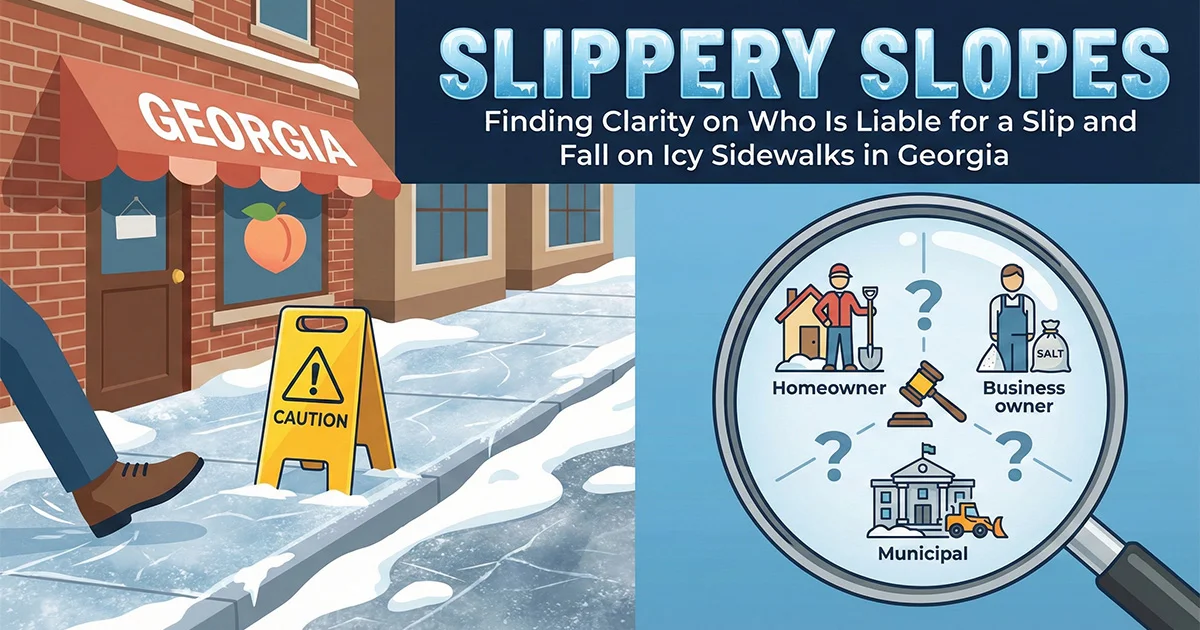
Injured on an icy Georgia sidewalk? Find out who is liable. Our legal guide explains premises liability rules for business owners, land...
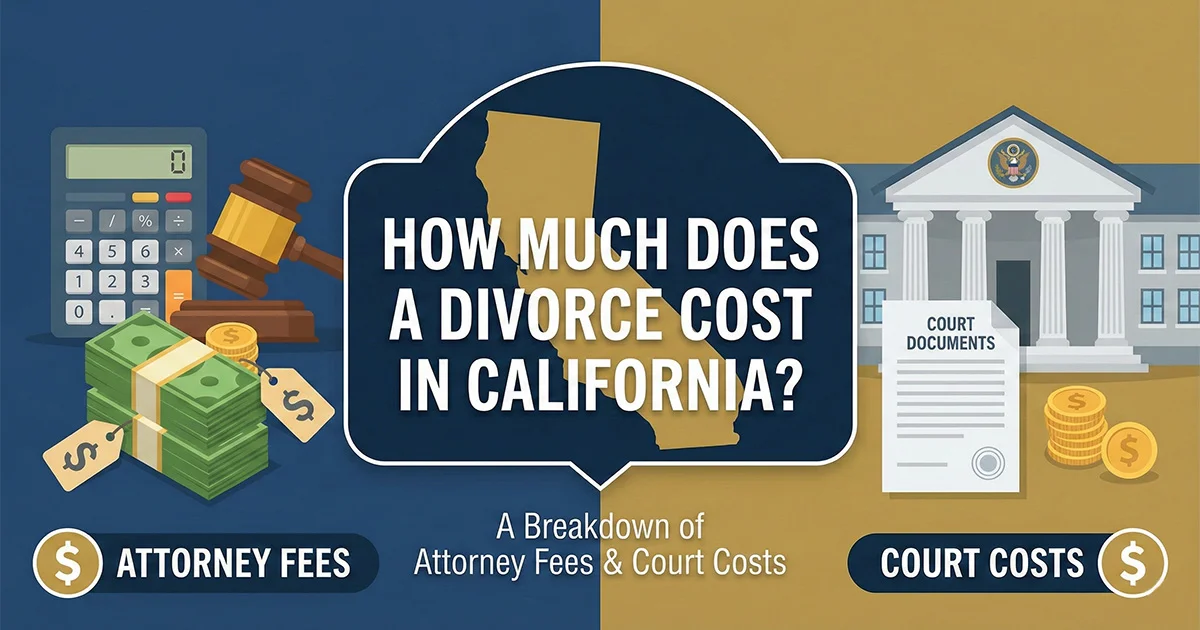
How much is a divorce in California? Get a 2026 breakdown of attorney fees, court filing costs, and expenses for contested vs. uncontes...
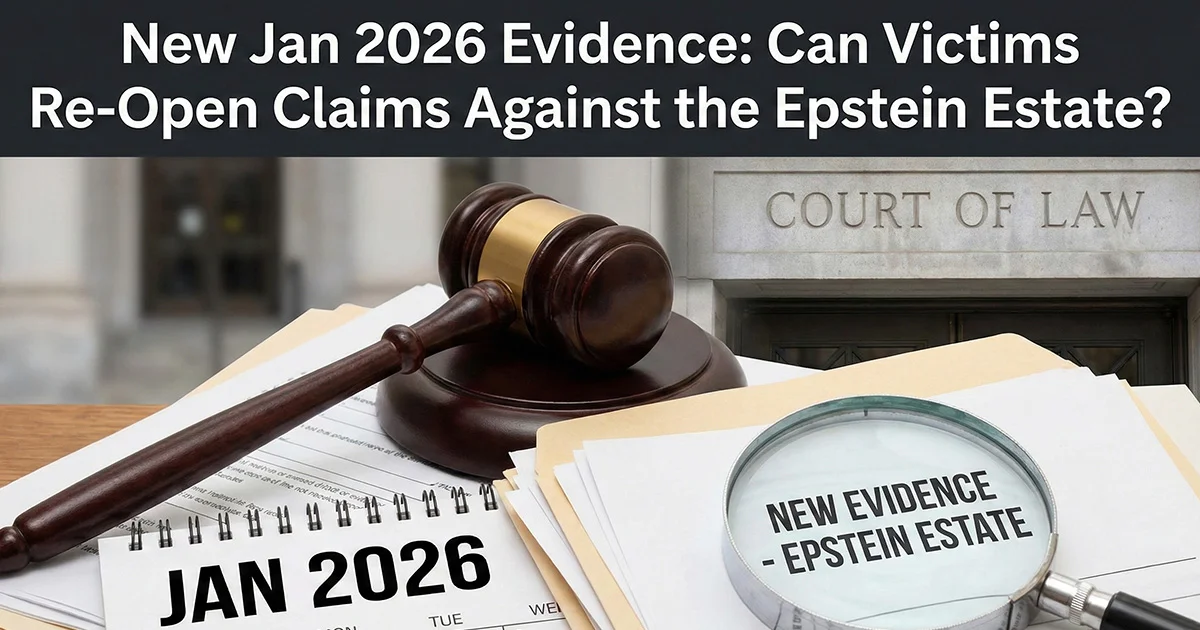
Jan 2026 Epstein files expose new details. Can victims reopen estate claims? Analysis of fraud exceptions, new assets, and rights for u...
Was your name released in the Jan 30 Epstein files? Don't panic. Learn your rights under Canadian defamation law and how to protect you...
Legal Disclaimer: Best Attorney USA is an independent legal directory and information resource. We are not a law firm, and we do not provide legal advice or legal representation. The information on this website should not be taken as a substitute for professional legal counsel.
Review Policy: Attorney reviews and ratings displayed on this site are strictly based on visitor feedback and user-generated content. Best Attorney USA expressly disclaims any liability for the accuracy, completeness, or legality of reviews posted by third parties.