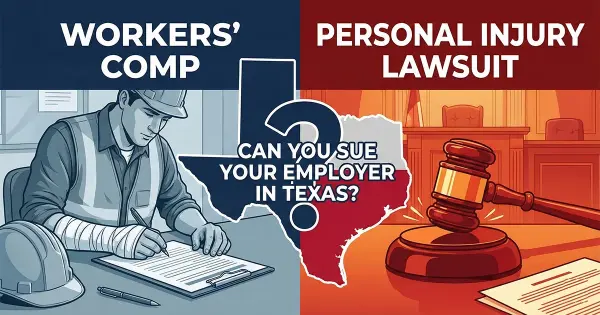
Getting injured at work is scary. Are you worried about paying bills while you can't work? Learn the truth about the Workers' Compensation system and why you need a specialized lawyer to fight for the benefits you deserve.
You go to work every day to provide for yourself and your family. You work hard. You follow the rules.
Then, in an instant, everything changes. A slip on a wet floor, a heavy box that ruins your back, or a machine that malfunctions. Suddenly, you aren't just dealing with pain—you're facing a mountain of worry.
-
How will I pay my rent if I can't work for a month?
-
Who is going to cover these expensive hospital bills?
-
Will my boss fire me for getting hurt?
The system that is supposed to help you—Workers' Compensation—often feels like it’s designed to confuse you. You get stacks of paperwork you don't understand. You get calls from friendly insurance adjusters who ask tricky questions. You feel pressured to go back to work before you are healed.
Here is the hard truth: The insurance company is not your friend. Their goal is to pay you as little as possible to protect their profits.
To get the full benefits you earned, you need to know the rules of the game. Here is a simple guide on how to protect yourself and why finding the best workers' compensation attorney is often the only way to get fair treatment.
1. Report the Injury Immediately (Don't "Tough It Out")
The biggest mistake injured workers make is waiting.
Maybe you think the pain will go away in a day or two. Maybe you are afraid your boss will be mad. Don't let fear stop you.
Most states have very strict deadlines for reporting a work injury. If you wait too long—sometimes just a few days or weeks—the insurance company can use that delay as an excuse to deny your entire claim. They will say, "If you were really hurt, you would have told someone right away."
Tell your supervisor immediately, in writing. Get a copy of the report. This creates a paper trail that proves your injury happened on the job.
2. Be Careful with the "Company Doctor"
In many states, your employer or their insurance company gets to choose the first doctor you see.
While many doctors are honest, you have to remember who is paying their bills. The insurance company wants a doctor who will say your injury isn't serious, or that it was caused by an old sports injury from ten years ago, not by your job.
If the company doctor says you are ready to go back to work but you are still in serious pain, you have the right to fight that decision. A skilled workers' comp lawyer knows how to challenge these doctors' reports and can help you get a second opinion from an independent specialist who cares about your health, not the insurance company's bottom line.
3. Understand What Benefits You Are Actually Owed
Many people think "workers' comp" just means paying for the emergency room visit. It is much more than that. Depending on your injury, you may be entitled to:
-
Medical Coverage: All bills related to the injury, including physical therapy and prescriptions.
-
Temporary Total Disability (TTD): Checks to replace a portion of your wages while you are recovering and cannot work at all.
-
Permanent Partial Disability (PPD): A cash payout if your injury leaves you with a permanent impairment, even if you can eventually go back to work.
-
Vocational Rehabilitation: Training for a new job if you can no longer do your old one.
The insurance adjuster is not going to voluntarily offer you the maximum amount for all of these. They will offer you the minimum. You need someone on your side who knows how to calculate the real value of your claim.
4. Why Do I Need a Lawyer if It's "No-Fault" Insurance?
Workers' Comp is supposed to be a "no-fault" system. This means you don't have to prove your boss did something wrong to get benefits; you just have to prove you were hurt at work.
In theory, this should make things easy. In reality, it doesn't. Insurance companies deny claims all the time. Common excuses include:
-
"You weren't really on the clock."
-
"Your back was already hurt before you started this job."
-
"You were horsing around, so it's your fault."
If your claim is denied, or if your weekly check is smaller than it should be, you need a lawyer to file an appeal and fight for you at a hearing. Trying to navigate the legal appeals process alone while you are injured is nearly impossible.
5. It Costs Nothing Upfront to Hire Help
Just like personal injury cases, workers' compensation attorneys almost always work on a contingency fee basis.
This means hiring the Best Attorney is no more expensive than hiring an average one. If they don't get you money, they don't get paid. This is the ultimate protection for you.
Don't Let Them Wear You Down
The insurance company's strategy is simple: Delay the process, deny the claim, and wait for you to get desperate enough to accept a lowball offer just to pay your bills.
Don't let them win.
You deserve to heal without worrying about bankruptcy. You earned these benefits through your hard work.
If you have been hurt on the job, take the first step toward protecting your financial future. Use a trusted, verified directory like Best Attorney USA to find experienced local workers' compensation lawyers. Read their profiles, see what other injured workers have said about them, and book a free consultation to discuss your case.