10 min read
Can You Clear Your Criminal Record in South Carolina? A Guide to Expungement
Looking to clear your criminal record in SC? Read our complete guide to South Carolina expungement, including eligibility requirements...
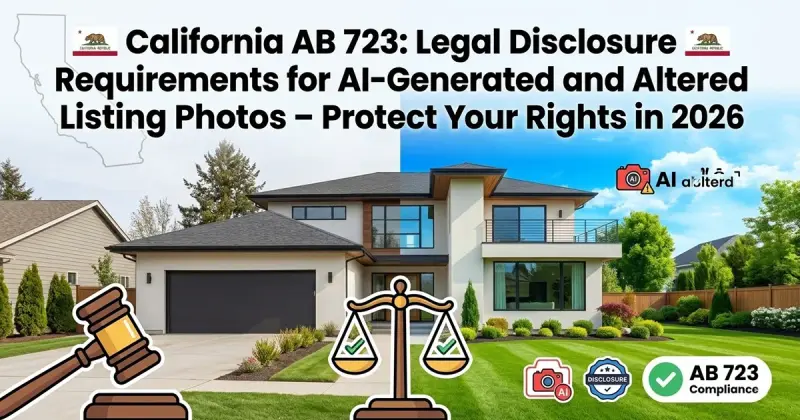
Are your listing photos compliant? Learn everything you need to know about California AB 723's 2026 disclosure rules for AI-generated real estate images.
Have you ever walked into a home you found online, only to realize the stunning views, perfect hardwood floors, and flawless landscaping were completely fake? You are not alone. In today’s hyper-competitive housing market, technology has made it incredibly easy to deceive buyers.
We understand how devastating it is to invest your time, money, and emotional energy into a property, only to feel scammed by deceptive digital marketing. The frustration of feeling misled during the biggest purchase of your life is overwhelming.
Fortunately, the state has stepped in to protect you. Navigating the California AB 723: Legal Disclosure Requirements for AI-Generated and Altered Listing Photos is crucial whether you are a buyer seeking justice or a real estate professional terrified of accidental liability.
In this comprehensive guide, I will break down exactly how this new law works, how it impacts your legal rights, and what you should do if you find yourself facing a real estate misrepresentation crisis.
For years, real estate agents have used standard photography to showcase properties. However, the explosion of artificial intelligence (AI) has drastically changed the landscape. Today, anyone can use consumer-facing apps to digitally erase power lines, change paint colors, or add beautiful virtual furniture.
While virtual staging can be a helpful tool, it crosses a dangerous line when it hides material facts. Buyers were showing up to viewings—or worse, closing on homes—that looked nothing like the "significantly enhanced versions" advertised online.
California lawmakers recognized this massive consumer protection blind spot. Effective January 1, 2026, AB 723 amends the Business and Professions Code (BPC § 10140.8) to enforce mandatory transparency. This law ensures that home buyers are no longer tricked by digital illusions.
AB 723 does not ban professional photography or creative marketing. Instead, it mandates absolute transparency when an image is changed in a way that alters the property's physical reality.
If a real estate broker or salesperson uses a materially altered photo, they must fulfill two primary legal duties:
Clear and Conspicuous Labeling: The advertisement must include a highly visible statement right on or next to the image indicating it has been digitally altered. Labels like "Virtually Staged" or "AI Altered" are now the legal standard.
Access to the Original Image: Agents must provide uninterrupted access to the original, untouched photograph. For print ads, this means including a QR code or link; for online listings, the original photo must be displayed right next to the altered one.
Failing to meet these two steps can trigger severe legal and financial consequences.
Not every photo edit requires a legal disclosure. The law was carefully written to protect standard photography practices that simply make an accurate photo look a bit clearer.
The legal dividing line is simple: You can make the photo look better, but you cannot make the property look different.
Here is a breakdown of what the law permits and what it penalizes:
| Routine Edits (No Disclosure Required) | Material Alterations (Disclosure Mandatory) |
|
Lighting and Exposure: Brightening a dark, shadowy room. |
Virtual Staging: Adding digital furniture or decor to an empty room. |
|
Color Correction: Adjusting white balance to reflect real life. |
Structural Changes: Changing the color of the walls or the type of flooring. |
|
Straightening: Fixing crooked angles or cropping the frame. |
Hiding Defects: Removing water stains, power lines, or neighboring buildings. |
The Golden Rule: Never assume a digital alteration is "just marketing." Under California Business and Professions Code § 10140.8, willfully failing to disclose materially altered listing photos can escalate from a civil misrepresentation claim into a criminal misdemeanor. Transparency is your absolute best defense.
What happens when an agent ignores the California AB 723: Legal Disclosure Requirements for AI-Generated and Altered Listing Photos? The fallout is severe.
First, the California Department of Real Estate (DRE) can take swift administrative action. Agents who engage in deceptive advertising can face massive fines, license suspension, or even permanent license revocation.
However, the biggest risk comes from civil lawsuits. If you bought a home based on undisclosed, digitally manipulated photos, you have the right to sue for damages. These lawsuits generally fall under three categories: actual fraud, negligent misrepresentation, or breach of contract.
Our firm frequently sees clients who feel completely paralyzed by these situations. We know the anxiety that comes with discovering a hidden defect. **
If you have been victimized by false real estate photos, you do not have unlimited time to take legal action. California enforces strict deadlines, known as statutes of limitations, to file a lawsuit.
Missing these deadlines means losing your right to seek compensation forever. Here is how the timelines break down:
1. Fraud (3 Years): If an agent intentionally used AI to hide a major property defect, this is actual fraud. Under California Code of Civil Procedure § 338(d), you have three years to file a lawsuit. Crucially, California follows the "Discovery Rule," meaning the clock starts ticking the moment you discover—or reasonably should have discovered—the fraud.
2. Negligent Misrepresentation (2 Years): Sometimes, an agent uploads fake photos provided by a third-party vendor without verifying the truth. This is negligence. Under California Civil Code § 2079.4, lawsuits against a broker for breaching their duty to a buyer must be filed within two years. This clock usually starts on the date you take possession of the property or the close of escrow.
3. Breach of Contract (4 Years): If the false digital representations fundamentally breach the terms of your written purchase agreement, you have four years from the date of the breach to file a claim. For oral contracts, the limit is two years.
Navigating these timelines is stressful and confusing. You do not have to figure this out alone.
We know you have questions. Here are the top 5 questions people actually ask about California’s new real estate photo laws:
1. Does virtual staging require a disclosure in California? Yes. Under AB 723, adding virtual furniture, decor, or design elements that do not physically exist must be clearly disclosed to potential buyers.
2. Is it illegal to Photoshop real estate photos in California? No, editing is not illegal. However, it is illegal to materially alter the property's physical features in the photo without a clear, conspicuous disclosure and access to the original image.
3. Can an agent go to jail for using misleading AI photos? Yes, it is possible. Because AB 723 sits inside the California Real Estate Law, willful violations can be prosecuted as a criminal misdemeanor, carrying potential fines and up to one year in county jail.
4. Does adjusting the brightness of a listing photo require a disclosure? No. Routine edits like brightness, color correction, and cropping are legally protected and do not require any special labels or original image uploads.
5. How long do I have to sue a real estate agent for misrepresentation? Generally, you have three years from the discovery of the fraud, or two years from the close of escrow for professional negligence. Always consult an attorney immediately to protect your specific timeline.
The passage of the California AB 723: Legal Disclosure Requirements for AI-Generated and Altered Listing Photos is a massive victory for consumer transparency. Photographs are no longer just marketing tools; they are legal representations of fact.
Whether you are a buyer who feels deceived by digitally manipulated listing photos, or an agent facing an unjust misrepresentation claim, you deserve clear, empathetic legal guidance. The laws are complex, and the statutes of limitations are unforgiving. We are here to carry that burden for you.
Do not wait until your legal window expires. Contact us today at bestattorneyus.com for a comprehensive, confidential case evaluation. Let our experienced legal team protect your rights and help you secure the justice you deserve.




Looking to clear your criminal record in SC? Read our complete guide to South Carolina expungement, including eligibility requirements...
A comprehensive guide to PA's medical malpractice statute of limitations. Learn about the standard two-year deadline, discovery rule ex...
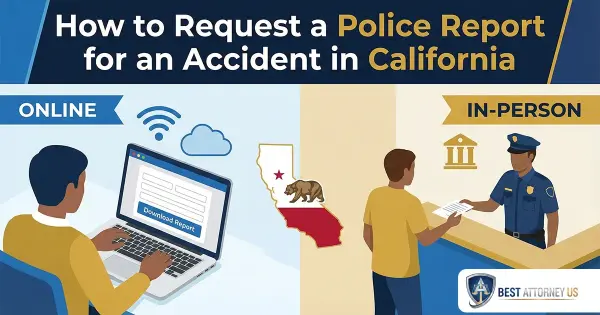
Learn how to request a police report for a car accident in California. Get step-by-step instructions for online and in-person requests...

Injured at work in Texas? Learn the key differences between workers' comp and personal injury claims, and find out when you can legally...

Hit by a truck in Texas? Follow this immediate step-by-step guide to protect your rights and maximize your financial recovery. Don't ma...

Hit by a truck in CA? Don't wait. Follow this survivor's blueprint for immediate steps to protect your rights and strengthen your perso...
Legal Disclaimer: Best Attorney USA is an independent legal directory and information resource. We are not a law firm, and we do not provide legal advice or legal representation. The information on this website should not be taken as a substitute for professional legal counsel.
Review Policy: Attorney reviews and ratings displayed on this site are strictly based on visitor feedback and user-generated content. Best Attorney USA expressly disclaims any liability for the accuracy, completeness, or legality of reviews posted by third parties.